

National Scheme 2026 Provides 5.2 billion ALL Support for Agriculture, Aligning with EU Standards
The Council of Ministers approved the 2026 National Support Scheme, which has an initial budget of 5.2 billion ALL. The program aims to strengthen the agricultural sector by expanding the number of beneficiaries and gradually aligning it with European Union standards.
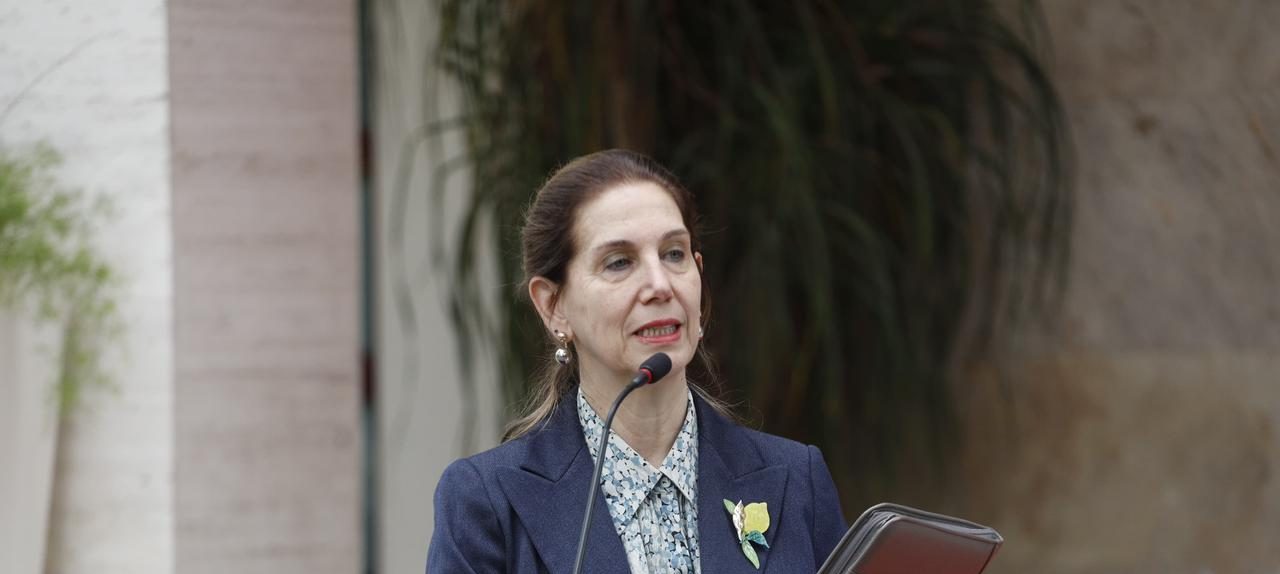
At a press conference, the Minister of Agriculture and Rural Development, Andis Salla, announced that the program was developed after extensive consultations with farmers nationwide, including over 23 meetings with sector representatives from each county. These consultations reflected the farmers’ concrete needs and focused on sustainable and competitive development.
A key innovation is comprehensive support for all successful investment project applications, including those for greenhouses, orchards, vineyards, livestock farms, agricultural machinery, processing lines, marine aquaculture, and agritourism. A new call for investments will open, offering grants of €10,000 for young farmers, 3 million ALL for livestock shelter construction, and 500,000 ALL for agricultural equipment and machinery.
The scheme continues to prioritize livestock, increasing support to 12,000 ALL per head of cattle and 1,500 ALL per small ruminant. Support for beekeeping has doubled to 2,000 ALL per hive. For the first time, 7,000 ALL of support is planned for each pig breeding unit. Eligibility thresholds have been halved to include smaller farms.
The program also provides up to 70% funding for biological pest control in greenhouses and 200,000 ALL for fish farming operations in inland waters to purchase fingerlings.
In line with European Union practices, the program will include direct payments for cultivated land for the first time. Farms over three hectares will receive 10,000 ALL per hectare. Agricultural cooperatives will continue to receive full benefits, and support for organic production and GLOBALG.A.P. certification will remain part of the program.
According to Minister Salla, these measures aim to increase investment and production in the sector and formalize it, thereby bringing Albanian agriculture closer to EU standards and practices and supporting the integration process.