

Education Advances Toward Closing First EU Integration Chapters as Pre-University Reforms Progress
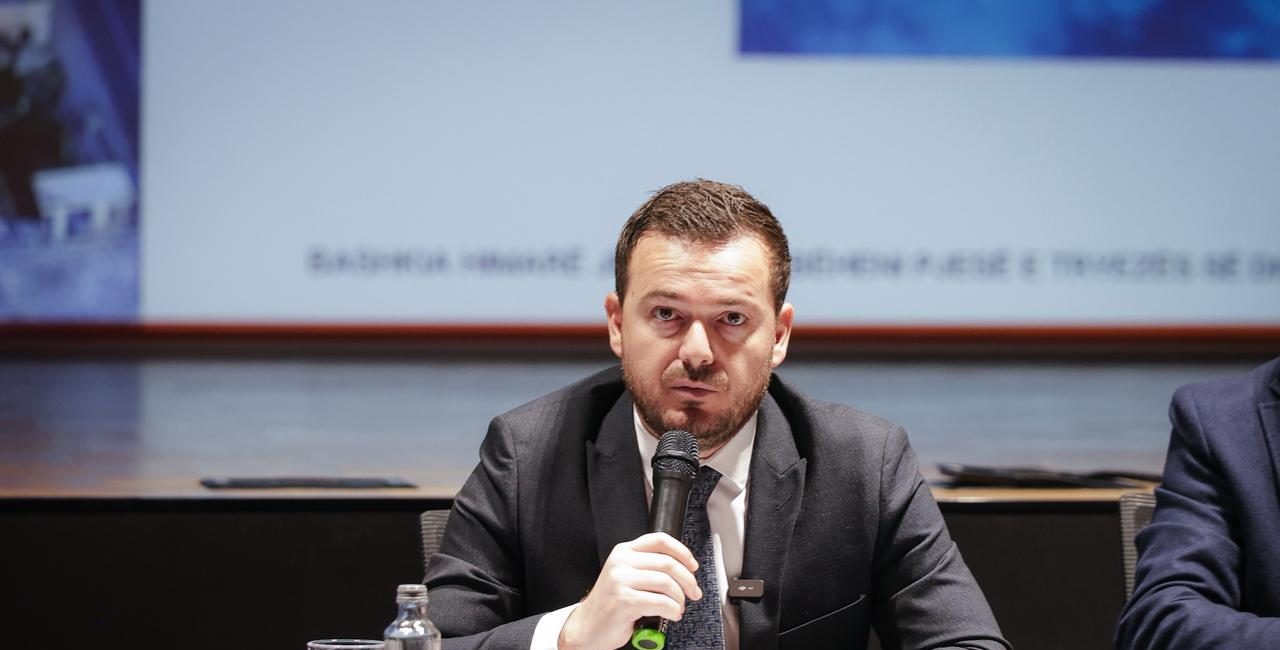
During a press conference, the Minister of Education, Mirela Kumbaro, stated that Albania is making significant progress in negotiations for European Union membership in the fields of education and scientific research. She emphasized that Chapters 25 and 26, which are part of the EU negotiation clusters, are among the most advanced and are expected to be among the first closed. According to the Ministry of Education, almost all of the criteria required for Chapter 26 have been met. With the National Agency for Educational Services’ full approval, this chapter is considered closed.
Throughout this process, several reforms have been implemented, including establishing the Central Inspectorate for Pre-University Education, approving the Digital Education Action Plan 2025–2030, creating the State Database for Higher Education (SMIAL), and drafting integrity and development plans for higher education. In the field of scientific research, the by-laws of the Law on Scientific Research have been approved, funding has increased to approximately 0.3% of GDP, and instruments for innovation and the registration of scientific qualifications have been consolidated.
Reforms in pre-university education have been oriented toward aligning with European standards. The new curricula are structured according to key European competencies and integrate the STEM approach, technology, and artificial intelligence. Topics such as sustainable development, cybersecurity, and social well-being are also covered. For the first time, a significant portion of teaching is conducted through interactive, practical methods.
The review of school textbooks is ongoing and will be implemented gradually until the 2029–2030 school year. New subject programs for grades one, six, and ten have already been approved. Concurrently, teacher professional development has been enhanced. In 2025, over 14,000 teachers received training, and a new three-year program for 2026–2028 has been approved.
One of the key projects related to the internationalization of education is the establishment of the French High School of Korça. This elite institution, developed in cooperation with France, offers dual diplomas. The campus project has been approved and is expected to become a regional center for technology and innovation.
To improve quality and transparency, the National Agency for Educational Services is being reformed with the support of the University of Cambridge and other international partners. The goal is to achieve digital transformation, higher assessment standards, and more efficient management of educational processes.
The latest data show that the pre-university system includes over 355,000 students and around 30,000 teachers. It also has a support network of assistant teachers, psychologists, and security officers. This reflects a focus on inclusion and safety in schools. Meanwhile, investments in infrastructure and smart laboratories are ongoing, with dozens of projects currently underway.
The Ministry of Education emphasizes that reforms in this sector are directly linked to the country’s European integration process. These reforms aim to build a high-quality education system that meets European Union standards and supports the country’s long-term development.