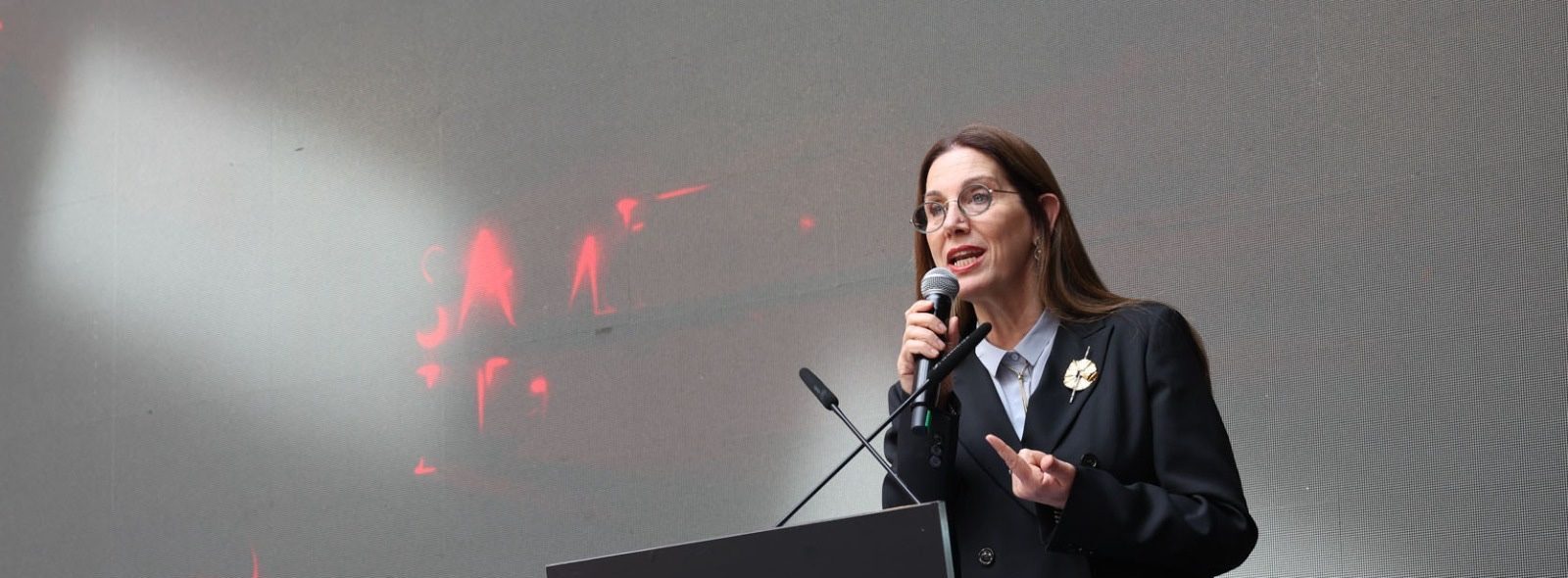


Minister Salla Says IPARD III Under Review by the European Commission, 2026 National Scheme Expands Support for Farmers
During an interpellation in Parliament, Andis Salla, the Minister of Agriculture and Rural Development, stated that the packages for the accreditation of the IPARD III program were submitted to the Ministry of Finance on April 30 and are currently under review by the European Commission. The aim is to strengthen the standards of control, audit, and integrity in the use of European Union funds.
The minister stated that IPARD III remains the main instrument for promoting investment in agriculture, agro-processing, and rural development, creating greater financing opportunities for farmers and businesses in the sector.
The national support scheme for 2026, for which applications open on May 25, was designed after consulting with farmers nationwide and aims to align support instruments with European Union models. The scheme is based on two main components: investment grants and direct payments to farmers. The goal is to increase sustainable production, strengthen standards, and encourage investment in the sector.
The minister clarified that the removal of fuel subsidies for mechanized work does not indicate a lack of attention to production costs, but rather a redesign of support instruments. Rather than focusing on a single input, the new program aims to support agricultural activity more broadly through payments for cultivated land, livestock, investments, mechanization, standards, certification, and the formalization of product sales.
A key innovation of the program is the introduction of payments per cultivated area. Farms larger than three hectares will receive 10,000 ALLper hectare for all agricultural crops.
The program also provides increased support for young farmers, livestock farming, and beekeeping. Additionally, it includes measures to improve product standards and competitiveness, such as biological pest control in greenhouses, organic farming, and Global GAP certification.
Agricultural Cooperation Societies will receive the highest level of support for all activities, with the aim of strengthening farmer organization and improving their market position.
In addition to direct payments, farmers will benefit from an extra 10% in support based on the invoiced value of their sold agricultural and livestock products. This mechanism links support directly to formalized production and offsets some input costs.
Minister Salla announced that the initial budget for the National Scheme in 2026 is 5.2 billion Lek. There is the possibility of receiving additional funds during the year. Around 2.5 billion ALLwill be allocated to investment grants for greenhouses, barns, orchards, vineyards, machinery, processing, aquaculture, and agritourism.
The minister emphasized that support for farmers has not been reduced but rather redesigned to be broader and more closely linked to real production and aligned with European Union standards.