

Government Conducts Daily Monitoring of Fuel Prices and Warns Transparency Board May Return in Case of Market Abuses
Amid global price increases resulting from the crisis in the Middle East, the Albanian government is conducting daily monitoring of fuel and food prices and warning of immediate intervention in case of market abuses.
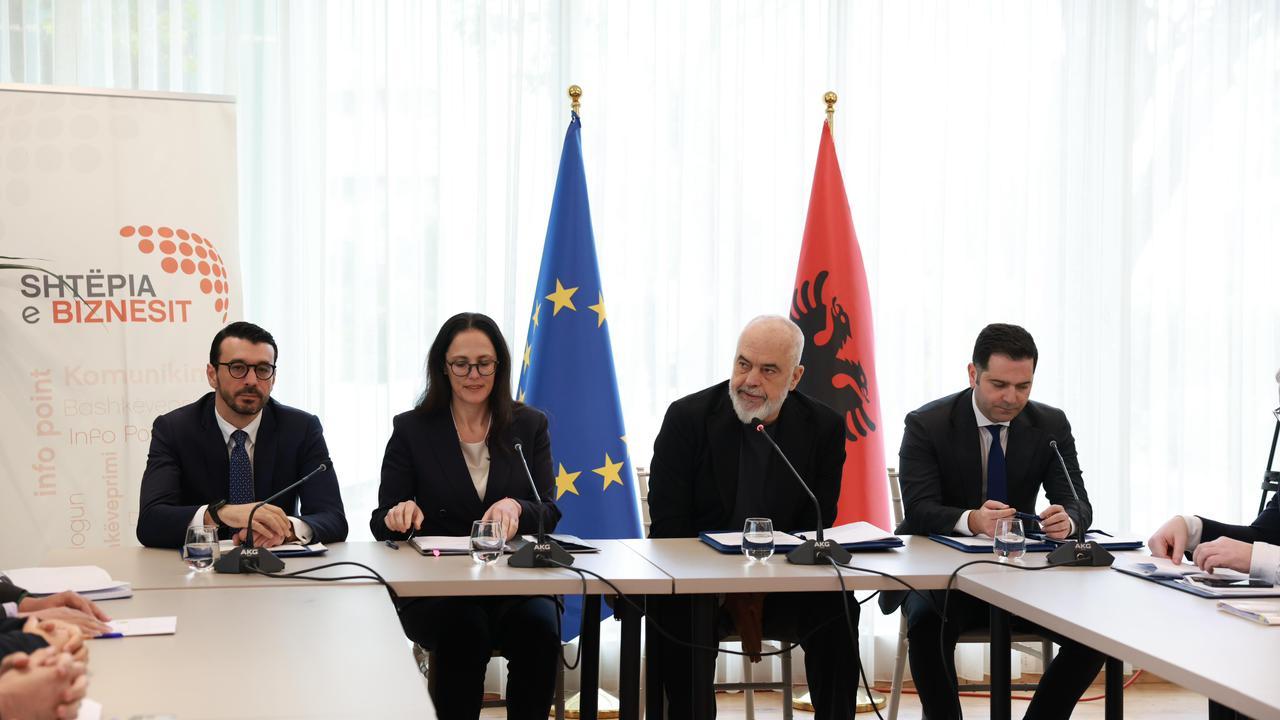
During a meeting with oil suppliers, Prime Minister Edi Rama and other government officials stressed that no supply disruptions or unjustified price increases have yet been identified in the domestic market. According to official data, while international exchanges have recorded significant fluctuations, with prices rising from around $700 to $1,200, an increase of about 40%, the rise in Albania has remained within the 10–15% range.
Minister of Economy and Innovation Delina Ibrahimaj stated that legal fuel reserves are secure and the supply continues normally thanks to the long-term contracts held by the operators. She emphasized that the main focus is on preventing abuses in both the hydrocarbons market and the market for basic food products. Currently, around 70% of the consumer basket is being monitored.
A joint group from several institutions monitors the customs clearance prices daily. These prices include the exchange price, taxes, VAT, and retail prices. The group maintains a controlled profit margin to ensure that increases in international prices do not result in higher company profits. Ibrahimaj added that there are currently no conditions for intervening in the level of taxation, though this option remains open depending on future developments.
Petrit Malaj, the Minister of Finance, said that the joint task force established by the General Directorate of Customs and the General Directorate of Taxes to monitor the market has been deployed across the entire country. So far, the task force has not identified any unjustified price or profit margin increases by wholesale or retail fuel traders. Malaj warned that the monitoring will continue indefinitely and that if abuses are detected, the government will reinstate the Transparency Board to determine prices.
Meanwhile, Minister of Infrastructure and Energy Enea Karakaçi confirmed that no fuel price abuses have been recorded and that the supply situation remains stable despite developments in international markets. He announced that the government is expected to soon approve a new draft law on strategic hydrocarbon reserves, which provides for the creation of a state agency and guarantees a minimum 90-day reserve, in line with European Union standards.
The authorities stressed that market monitoring and interinstitutional coordination will continue to protect consumers and ensure price stability in the country.