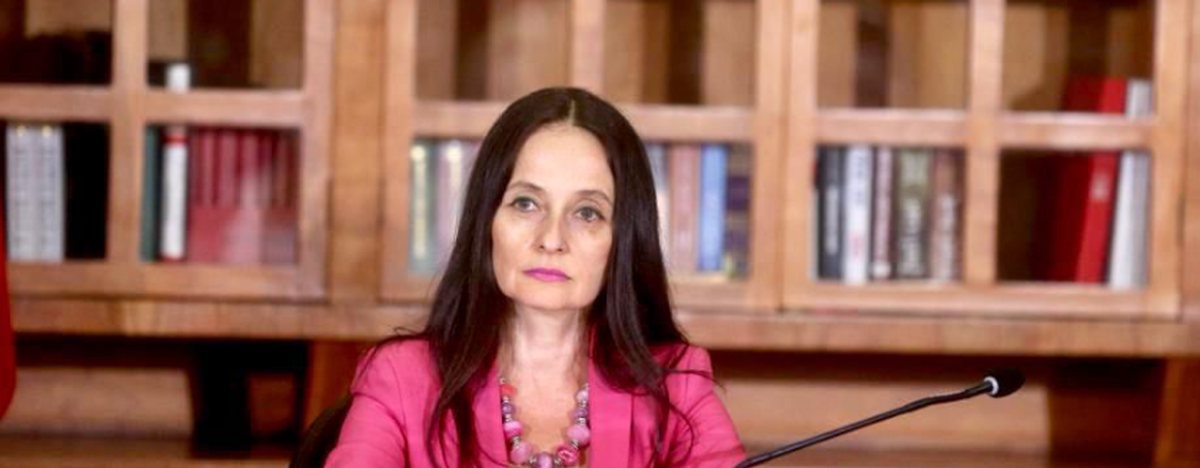


Minister Malaj Says Economic Growth Continues as Unemployment Falls to Lowest Level in 30 Years
At today’s meeting at the Palace of Brigades, Minister of Finance Petrit Malaj presented the 2025 economic balance and 2026 priorities, stating that the country’s unemployment rate has dropped to 8.1%, the lowest in three decades. Ten years ago, the unemployment rate was 17%, and the current rate remains lower than the 10.3% average in the Western Balkans.
The Albanian economy grew by 3.9% in 2025, and the medium-term projection forecasts 4% growth, which is above the Western Balkans average of 3%. Over the past five years, gross domestic product (GDP) has increased by around 20%. Malaj says this demonstrates the stability and resilience of the economy.
In 2026, the minimum wage increased from 40,000 to 50,000 ALL, while the average salary was 1,026 euros in the public sector and 785 euros in the private sector. For the first time, the salary indexation scheme in public administration began to be implemented. Meanwhile, tax and customs revenues, including social and health contributions, reached 6.7 billion euros in 2025, which is about 560 million euros more than the previous year. Another increase of around 540 million euros is planned for 2026, without changes in taxes, due to improved fiscal administration.
Public debt declined to 53% of GDP, down from 54.2% the previous year. According to data from the Bank of Albania, foreign direct investment reached 1.21 billion euros during the first nine months of 2025, the highest level ever recorded for this period.
The minister announced the successful issuance of a 650-million-euro Eurobond maturing in February 2025. Investor demand for the bond reached 4.3 times the amount issued. During the year, the sovereign guarantee for agriculture was approved, providing €30 million in soft loans for farmers, as well as a €250 million credit line for small and medium-sized enterprises in cooperation with the Bank of Albania.
By the end of 2025, the state-owned company ALBTrace sh.a. had been established to oversee fiscal stamps and fuel marking. The Albanian Development Bank was also formed based on the models of its European counterparts. Its goal is to finance underfunded sectors and strategic projects.
The Ministry of Finance’s priorities for 2026 include the following: the draft law on mandatory earthquake insurance; the agricultural insurance scheme; full alignment of tax and customs legislation with European Union directives; accreditation and implementation of the IPARD III program; and expanded use of artificial intelligence in tax and customs administration to increase revenues and reduce informality.
According to the minister, the 2025 indicators confirm the country’s macroeconomic and fiscal consolidation and its performance above the regional average in growth, employment, and investment attraction.