

New Income Tax Bill Passed as Price Stabilization Efforts Continue
On Friday, the Council of Ministers approved a series of draft laws impacting the country’s fiscal and economic policies. The amendments focus on the income tax law and measures to monitor and stabilize prices.
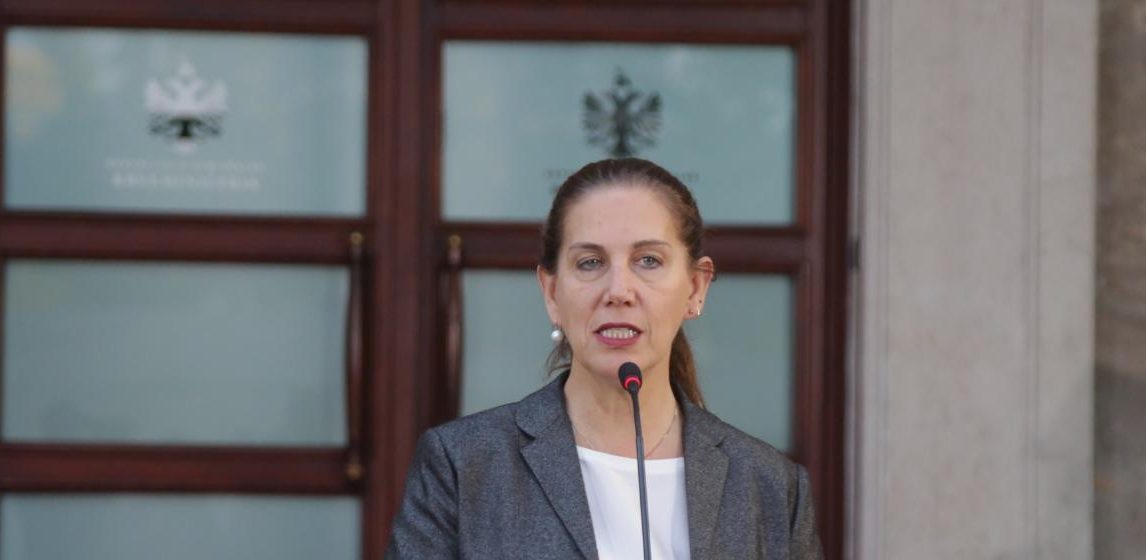
Delina Ibrahimaj, the Minister of Economy and Innovation, announced that the Ministry of Finance’s proposed draft law aims to promote social equity and attract Albanian expatriates and foreign nationals living in Albania.
The changes stipulate that tax residents of Albania who generate income in other countries and have already paid taxes there will not be taxed again in Albania. This mechanism is intended to avoid double taxation and increase the country’s attractiveness to individuals living abroad or returning home.
The government claims that this initiative is linked to the development of the “silver economy,” which encourages pensioners with earned income abroad to settle in Albania and contribute to its economy.
The draft law includes provisions to preserve fiscal relief for blind individuals, ensuring that this category continues to receive tax exemptions in line with current legislation.
During the government meeting, the situation of market prices in the context of international developments was addressed, particularly the impact of the crisis in the Middle East. Authorities stated that they continuously monitor prices, with a special focus on fuel and essential goods.
The Transparency Board recently reduced the price of oil to around 210 lek per liter in response to positive developments in global exchanges and fluctuations in international markets.
Meanwhile, inflation recorded a slight increase in March to 2.6%, primarily due to rising fruit and vegetable prices, while prices in other food categories have remained relatively stable. State institutions monitor approximately 80 basket products daily across the country to ensure accurate pricing and timely intervention when necessary. The government has confirmed that it will continue to support vulnerable groups and low-income pensioners through subsidy programs, as it has in the past.